Chronic Venous Disease
Treatment of Chronic Venous Disease
Varicose Veins
2/9/2026
The Role of Compression Therapy in Chronic Venous Disease
Chronic venous disease (CVD) is a common yet underdiagnosed condition that affects the veins in the legs. It can range from mild discomfort and heaviness to varicose veins, skin changes, and even leg ulcers. One of the most effective and non-invasive treatment options for managing symptoms and slowing progression is compression therapy. When combined with medications like Diosmin + Hesperidin (Daflon® 1000), it offers a comprehensive approach to relief and healing.
What is Chronic Venous Disease?
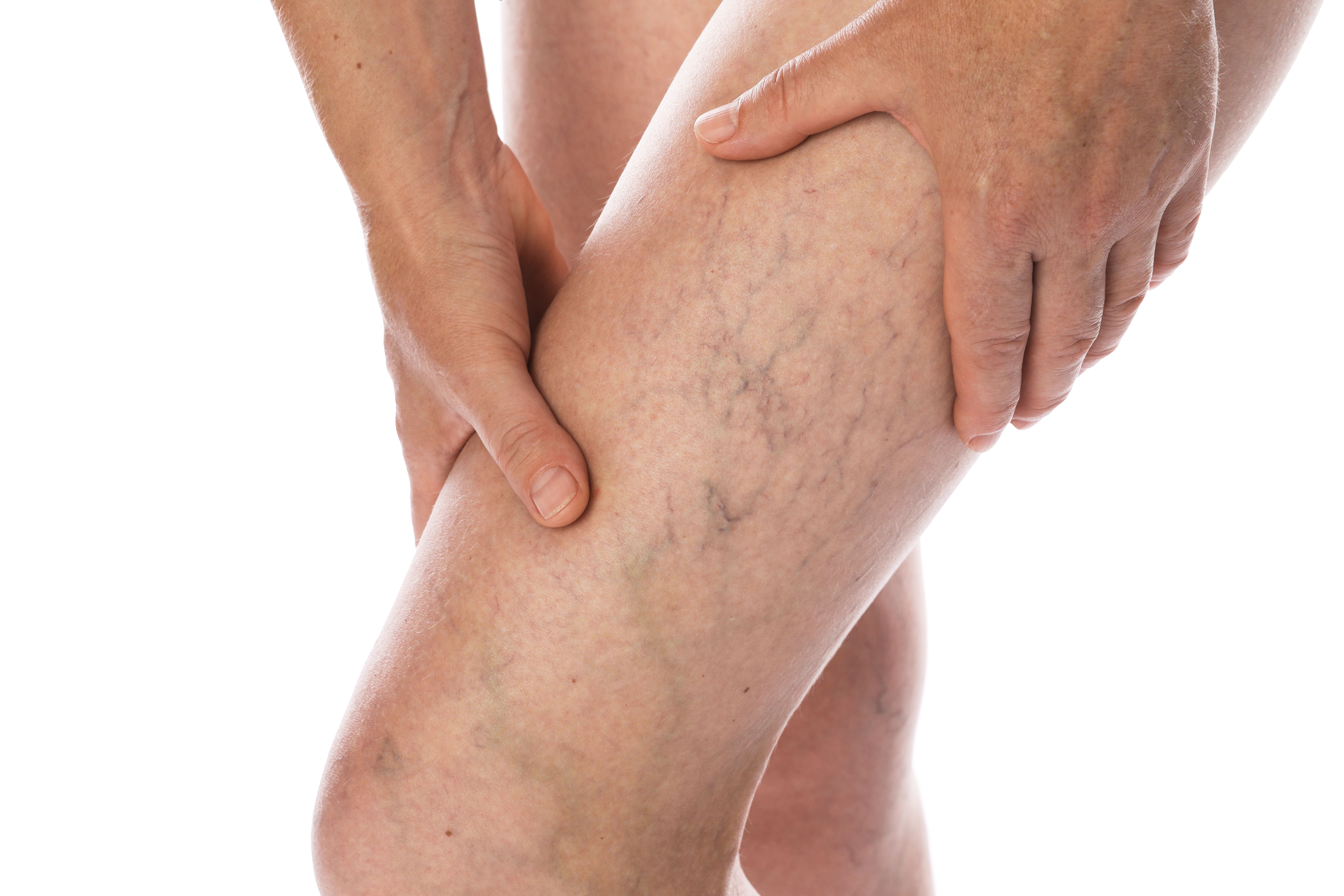
Chronic venous disease is a condition where the veins in the legs cannot efficiently return blood back to the heart. This leads to blood pooling (venous stasis), which causes increased pressure in the veins, resulting in:
- Swelling (edema)
- Leg pain or heaviness
- Skin discoloration
- Varicose veins
- Venous ulcers (in severe cases)
CVD affects both men and women and becomes more common with age, obesity, pregnancy, prolonged standing or sitting, and a sedentary lifestyle.
What is Compression Therapy?
Compression therapy involves wearing specially designed socks or stockings that apply graduated pressure to the legs. The pressure is strongest at the ankle and decreases as it goes up the leg. This promotes better blood flow, reduces venous pressure, and helps return blood to the heart more efficiently.
Main Benefits of Compression Therapy:
- Reduces leg swelling and heaviness
- Decreases pain and fatigue
- Prevents progression of varicose veins
- Speeds up healing of venous ulcers
- Improves overall quality of life for patients with CVD
How Compression Therapy Works
The veins in our legs rely on one-way valves and muscle contractions to push blood back toward the heart. In people with CVD, the valves become weak or damaged, allowing blood to flow backward (reflux) and pool.
Compression garments counteract this by:
- Narrowing the vein diameter
- Improving valve function
- Enhancing venous return
- Reducing venous hypertension
- Supporting surrounding tissues
Over time, consistent use can help relieve symptoms and prevent complications like skin thickening, lipodermatosclerosis, or open sores.

Choosing the Right Compression Stockings
Compression garments are available in various classes (measured in mmHg – millimeters of mercury):
- Class I (15–20 mmHg): For mild symptoms like tired or heavy legs, minor varicosities during pregnancy
- Class II (20–30 mmHg): For moderate varicose veins, post-sclerotherapy or post-surgery
- Class III (30–40 mmHg): For chronic venous insufficiency, healed ulcers
- Class IV (40+ mmHg): For severe venous insufficiency or lymphedema (used under medical supervision)
Always consult your doctor before using compression garments, especially if you have diabetes, arterial disease, or skin disorders.
Tips for Using Compression Therapy Effectively
- Wear them first thing in the morning, before swelling starts
- Ensure a proper fit – not too tight, not too loose
- Wash daily with mild soap and air-dry to maintain elasticity
- Replace every 4–6 months for best results
- Combine with leg elevation and daily movement
- Remove during sleep unless specifically advised by a doctor
Role of Diosmin + Hesperidin (Daflon® 1000) in CVD Treatment
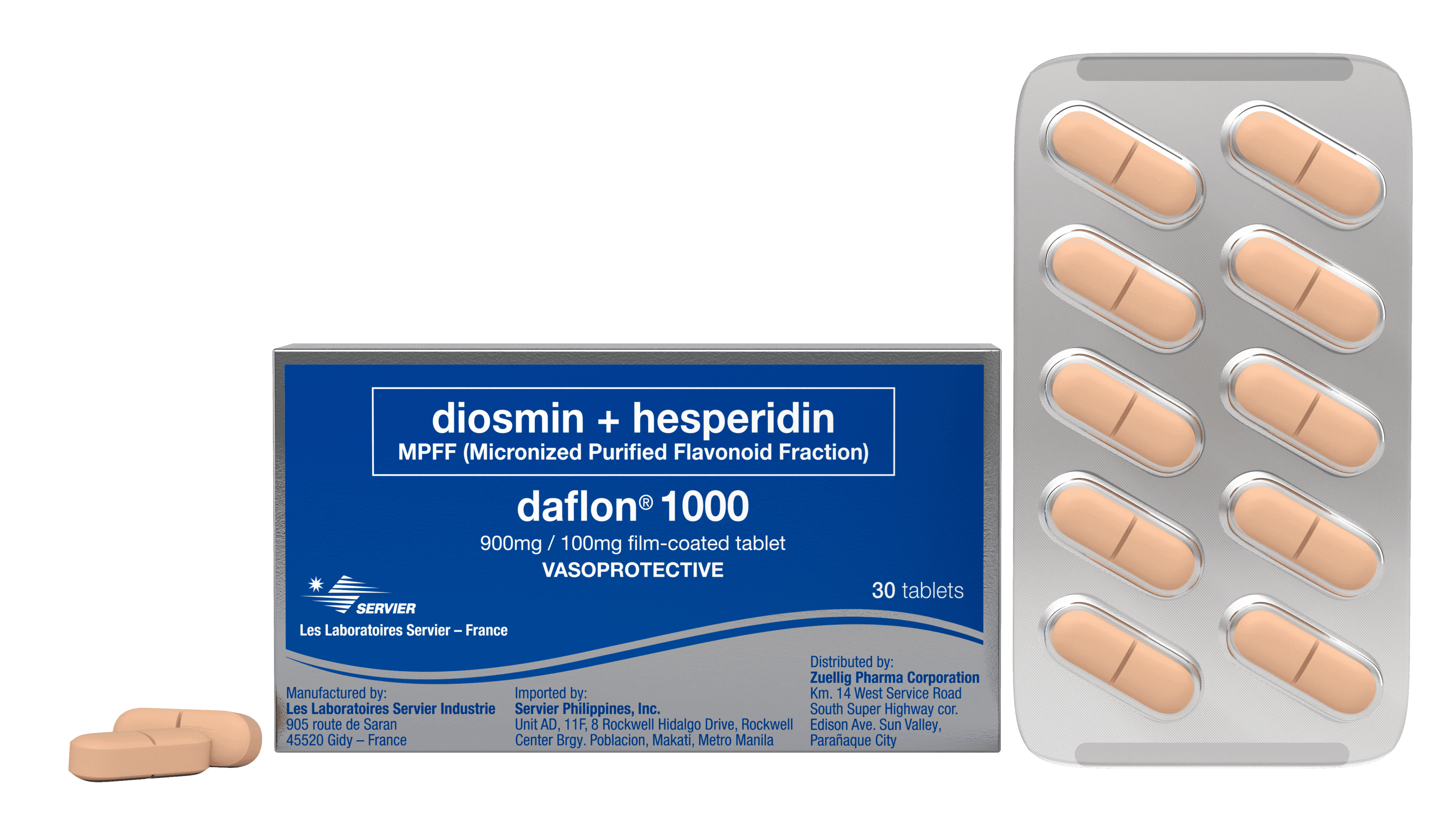
While compression addresses the external and mechanical aspect of venous disease, adding a venoactive medication like Diosmin + Hesperidin (Daflon® 1000) offers internal, systemic support.
What is Diosmin + Hesperidin (Daflon® 1000)?
Diosmin + Hesperidin (Daflon® 1000) contains micronized purified flavonoid fraction (MPFF)—a combination of diosmin and hesperidin. It is clinically proven to improve venous tone, reduce inflammation, and decrease capillary permeability.
Benefits of Diosmin + Hesperidin (Daflon® 1000):
- Strengthens blood vessel walls
- Reduces leg pain, swelling, and heaviness
- Decreases frequency and severity of cramps
- Helps heal venous leg ulcers faster when used with compression therapy
- Well tolerated and safe for long-term use
In fact, clinical guidelines recommend Diosmin + Hesperidin (Daflon® 1000) + compression therapy as first-line treatment for chronic venous insufficiency and venous leg ulcers.
Real-Life Scenario
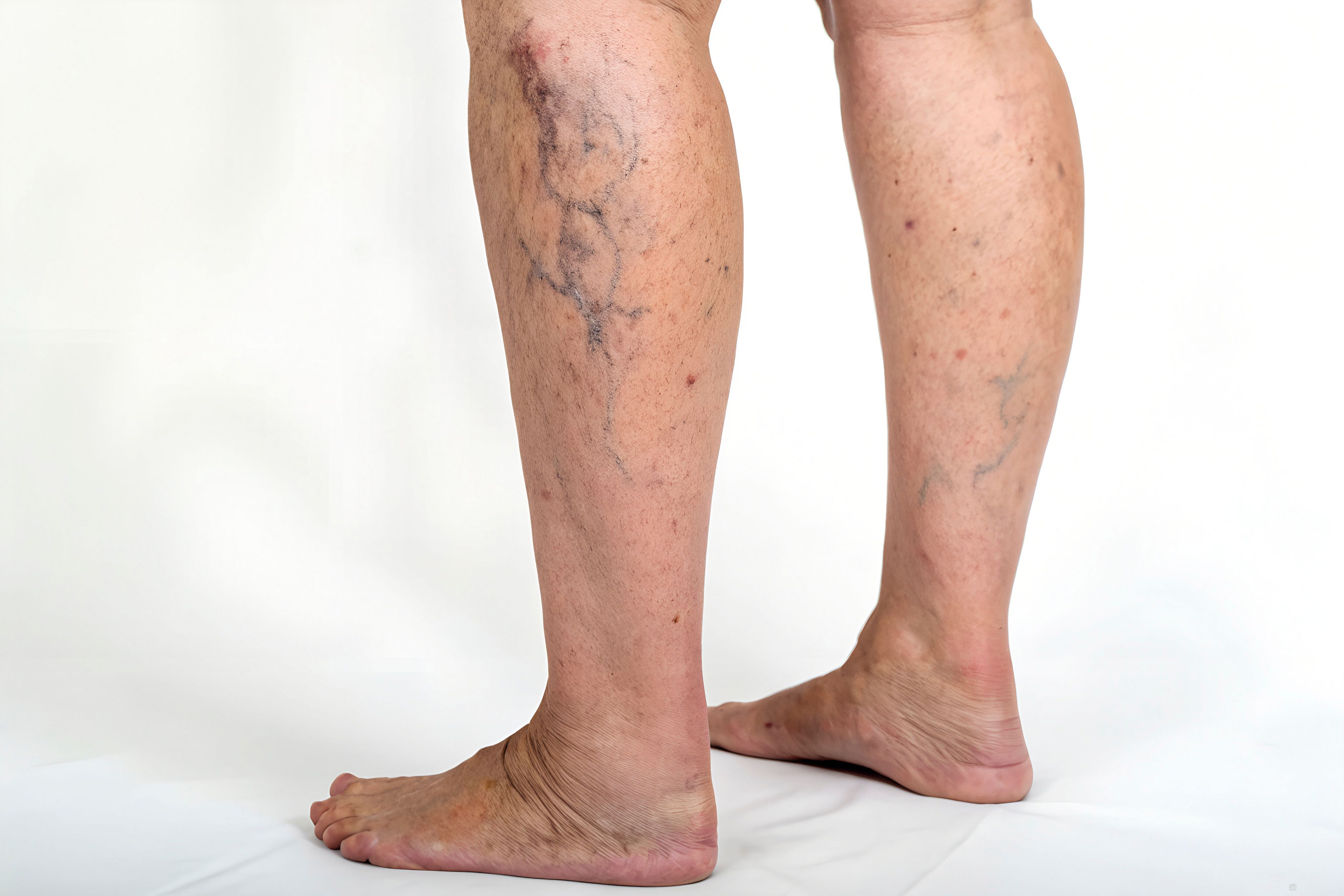
Imagine a 50-year-old office worker who sits all day and has developed swollen legs, visible varicose veins, and occasional leg cramps. After seeing a doctor, she’s diagnosed with CVD. Her treatment plan includes:
- Daily use of Class II compression stockings
- Oral Diosmin + Hesperidin (Daflon® 1000) mg twice daily for the first week, then once daily thereafter
- Regular walks during breaks
- Elevating her legs in the evening
Within weeks, she notices reduced swelling, less pain, and overall improved leg comfort. Consistency in following the treatment plan makes all the difference.
Other Supportive Measures
- Maintain a healthy weight
- Avoid prolonged standing or sitting
- Elevate your legs above heart level when resting
- Avoid tight-fitting clothing that restricts blood flow
- Exercise regularly to improve leg muscle pump
When to See a Doctor
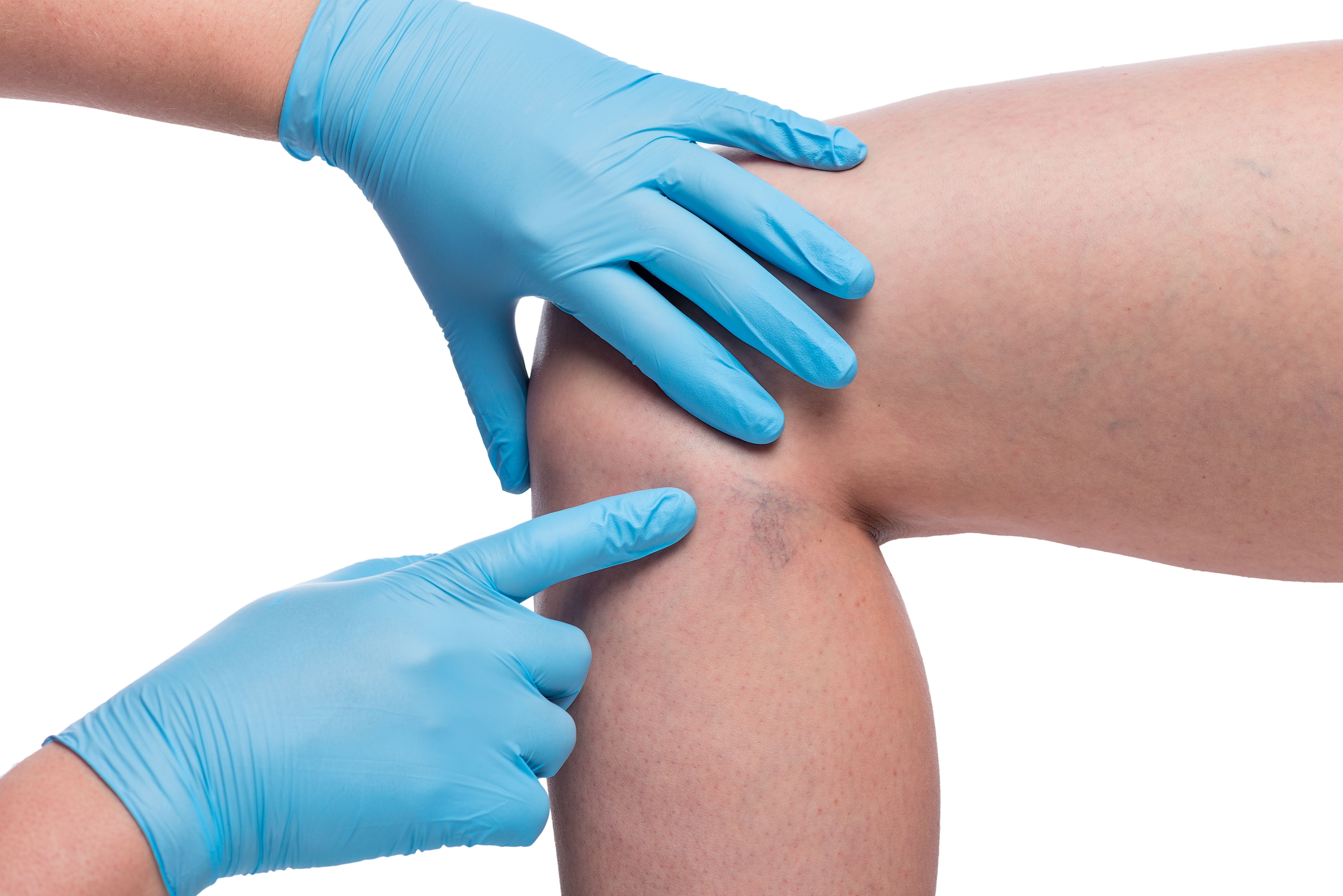
Compression therapy is very effective, but it's not a cure for underlying vein damage. Seek medical advice if:
- Symptoms are worsening despite treatment
- There is severe pain or skin changes
- An open sore doesn’t heal after a few weeks
- You have a history of deep vein thrombosis (DVT)
Key Takeaways
Compression therapy plays a central role in the management of chronic venous disease. It relieves symptoms, prevents progression, and supports healing—especially when combined with proven medications like Diosmin + Hesperidin (Daflon® 1000).
With the right combination of mechanical support, pharmacological treatment, and healthy lifestyle changes, patients with CVD can enjoy more comfortable, active lives.
For full prescribing information, see the package insert of Diosmin + Hesperidin (Daflon® 1000).
REFERENCES
- Rabe E, Partsch H, Hafner J, et al. Guidelines for Clinical Management of Chronic Venous Disease. Phlebology.
- Nicolaides AN, et al. Management of Chronic Venous Disorders of the Lower Limbs. International Angiology.
- Servier Laboratories. Daflon Product Information.
- Kakkos SK, et al. Micronized purified flavonoid fraction improves outcomes of chronic venous disease: meta-analysis.
- Partsch H. Compression therapy of the legs: a review. J Dermatol Surg Oncol.
Browse Our Blogs


To learn more about living with Chronic Venous Insufficiency and Hemorrhoidal Disease and how Diosmin + Hesperidin (DaflonⓇ 1000) could help manage your symptoms.



2026