Chronic Venous Disease
Treatment of Chronic Venous Disease
12/10/2025
Understanding Medications for Chronic Venous Disease: What Works and Why
Chronic Venous Disease (CVD) is a common condition that affects the veins of the legs, leading to symptoms such as leg pain, swelling, heaviness, fatigue, and visible varicose veins. As the condition progresses, it may result in skin changes and even venous ulcers.
Managing CVD involves a combination of lifestyle changes, compression therapy, and in many cases, medications—especially when conservative measures are no longer enough to control symptoms. One of the most well-established and widely recommended medications for CVD is Diosmin + Hesperidin (Daflon® 1000).
In this article, we’ll explore the different types of medications used in the treatment of chronic venous disease, with a focus on how Diosmin + Hesperidin (Daflon® 1000) works and how it supports vein health and quality of life.
What is Chronic Venous Disease?
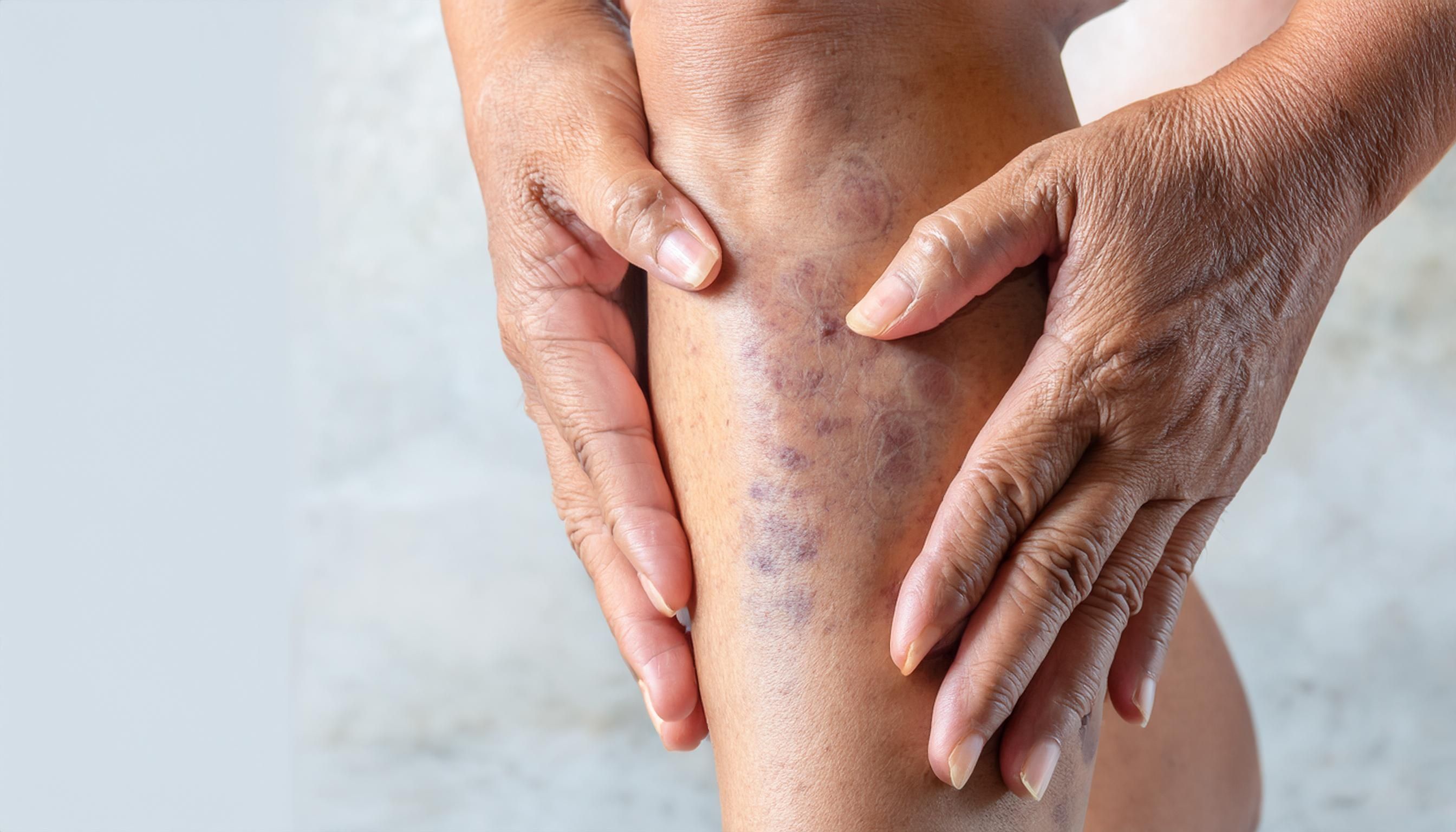
Chronic venous disease refers to a spectrum of conditions caused by poor circulation in the leg veins, often due to malfunctioning valves that prevent blood from flowing efficiently back to the heart. This causes venous reflux, where blood pools in the veins, increasing pressure and causing damage over time.
Symptoms may include:
- Leg pain or aching
- Swelling (especially in the lower legs)
- Heaviness or tired legs
- Night cramps
- Itching or skin discoloration
- Spider veins or varicose veins
- In severe cases, open sores or venous ulcers
Why Medications Are Important in CVD
While compression stockings and regular movement help improve blood flow, medications can address the underlying inflammation and vein dysfunction. They can also relieve daily symptoms, reduce the risk of complications, and support faster healing of skin lesions or ulcers.
Medical treatments for CVD are particularly helpful when:
- Symptoms interfere with daily life
- Patients have low tolerance for compression therapy
- There is visible progression of vein damage
- The patient is not yet eligible or ready for surgery
Key Medications for Chronic Venous Disease
Venoactive Drugs (Phlebotonics)
These medications are designed to improve the tone of the veins, reduce inflammation, and improve lymphatic drainage. They are the first-line pharmacological treatment for CVD.
Common phlebotropic agents include:
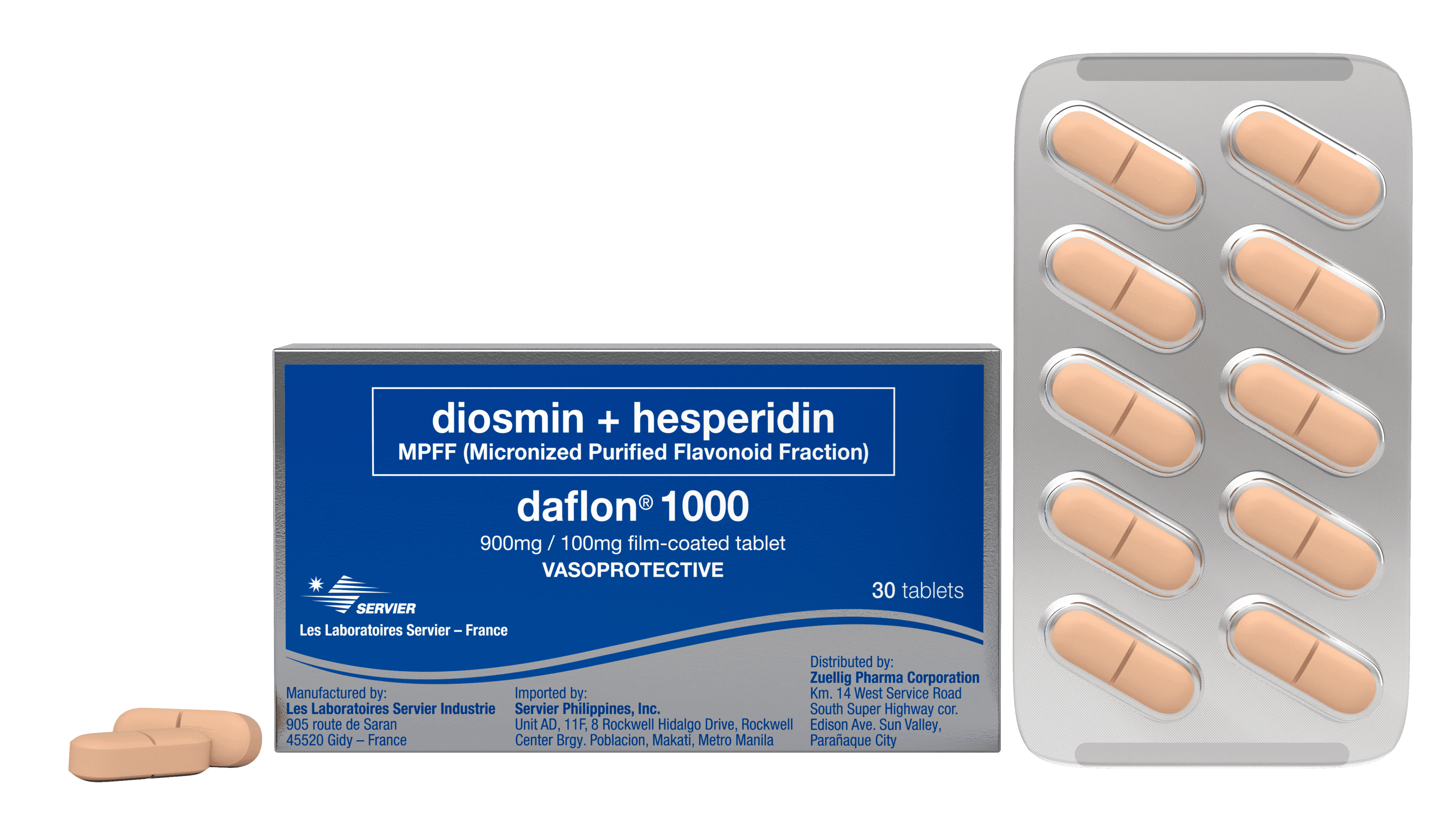
- Diosmin + Hesperidin (Daflon® 1000) (micronized purified flavonoid fraction)
- Horse chestnut seed extract (aescin)
- Rutosides (flavonoids)
- Calcium dobesilate
Among these, Diosmin + Hesperidin (Daflon® 1000) is the most widely studied and recommended by vascular specialists.
Spotlight on Diosmin + Hesperidin (Daflon® 1000): What It Is and How It Works
What is Diosmin + Hesperidin (Daflon® 1000)?
Diosmin + Hesperidin (Daflon® 1000) is a venoactive drug made of micronized purified flavonoid fraction (MPFF), primarily consisting of diosmin and hesperidin, plant-based compounds known for their anti-inflammatory and vascular protective properties.
How Diosmin + Hesperidin (Daflon® 1000) Works:
- Strengthens vein walls: Improves venous tone, making veins more elastic and less prone to stretching
- Reduces inflammation: Inhibits inflammatory markers involved in vein damage and chronic swelling
- Improves lymphatic drainage: Enhances circulation in both the venous and lymphatic systems
- Protects microcirculation: Reduces capillary permeability and leakage, preventing fluid buildup
Clinical Benefits:
- Reduces leg pain and heaviness
- Decreases swelling (edema)
- Speeds up healing of venous leg ulcers (when combined with compression therapy)
- Improves quality of life for patients with CVD
How is Diosmin + Hesperidin (Daflon® 1000) Taken?
Dosing Recommendations: For chronic venous symptoms: 500–1000 mg per day, usually taken in divided doses
Diosmin + Hesperidin (Daflon® 1000) is generally well-tolerated, with minimal side effects such as mild gastrointestinal discomfort in some patients.

Other Medications for CVD Management
While Diosmin + Hesperidin (Daflon® 1000) leads the way in pharmacologic therapy, other medications may be used in certain situations:
Anti-inflammatory medications
- Used to relieve pain and inflammation temporarily
- Not a long-term solution due to potential side effects
Anticoagulants (blood thinners)
- Only prescribed when there's a risk of deep vein thrombosis (DVT) or blood clots
- Not for general CVD use unless there’s clotting involvement
Topical agents
- Creams or gels with ingredients like heparin, aescin, or menthol
- Used to relieve localized discomfort or swelling
These are often used in combination with oral medications and compression therapy for better results.
Combining Medications with Lifestyle Changes
Medications work best when combined with long-term lifestyle changes. Here are some tips to maximize the effectiveness of CVD treatment:
- Wear compression stockings daily
- Elevate legs when resting to reduce swelling
- Avoid prolonged sitting or standing
- Exercise regularly, especially walking
- Maintain a healthy weight
- Stay hydrated and eat a balanced diet high in fiber
When to See a Doctor
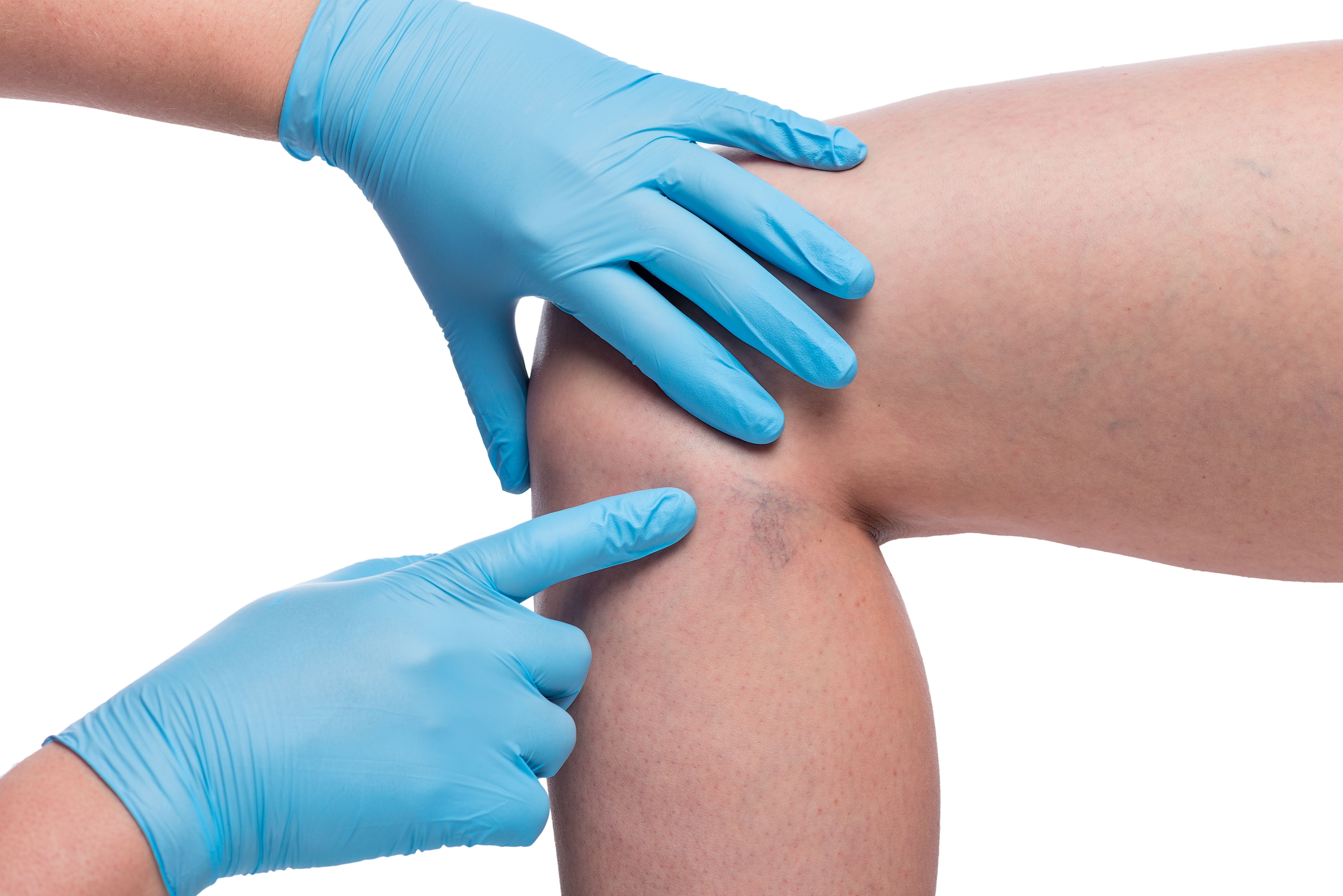
If you experience any of the following, it’s time to consult a vascular specialist or your doctor:
- Persistent or worsening leg swelling and pain
- New or worsening varicose veins
- Skin changes such as darkening or thickening
- Development of ulcers or open wounds on the legs
Early intervention can help prevent serious complications and improve your long-term prognosis.
Key Takeaways
Chronic venous disease is manageable—and medications like Diosmin + Hesperidin (Daflon® 1000) offer safe, scientifically proven relief from symptoms like swelling, pain, and heaviness. Alongside compression therapy and healthy habits, venoactive drugs provide a non-invasive approach that significantly improves vein health and quality of life.
If you or someone you know struggles with tired, swollen legs or visible varicose veins, speak with a healthcare provider about your options. With the right treatment plan, it’s possible to break the cycle of discomfort and regain active, pain-free living.
For full prescribing information, see the package insert of Diosmin + Hesperidin (Daflon® 1000).
REFERENCES
- Nicolaides, A. N., et al. (2018). Management of chronic venous disorders: Clinical Practice Guidelines. International Angiology.
- Ramelet, A. A., et al. (2005). Daflon 500 mg: A review of its pharmacological properties and therapeutic efficacy in chronic venous insufficiency and hemorrhoids. Drugs.
- Coleridge Smith, P. (2009). Micronised purified flavonoid fraction (Daflon 500 mg) in the treatment of chronic venous disease: an updated review. Current Vascular Pharmacology.
- Servier Laboratories. Daflon Prescribing Information.
- Gloviczki, P., et al. (2011). The care of patients with varicose veins and associated chronic venous diseases. Journal of Vascular Surgery.
Browse Our Blogs


To learn more about living with Chronic Venous Insufficiency and Hemorrhoidal Disease and how Diosmin + Hesperidin (DaflonⓇ 1000) could help manage your symptoms.


2026